
海外党必看:电脑免费VPN回国真的靠谱吗?附实测对比与最优方案指南
As an overseas student in Australia, I’ve lost count of the times I’ve stared at the “content not available in your region” message while trying to watch a new drama on iQIYI, or lagged out mid-game on Honor of Kings’ Chinese server. Like most of my friends, I first searched for “电脑免费vpn回国” hoping to find a quick fix—only to be disappointed by slow speeds, frequent disconnections, and even security scares. This guide will break down why region restrictions exist, whether free VPNs are worth your time, compare popular tools like 穿梭 vs o3cloud VPN and Malus vs 秒连, and share a tested solution that lets you access domestic resources seamlessly.
Why Can’t You Access Domestic Apps Overseas?
Domestic apps and websites use IP geolocation to enforce region restrictions. For example, streaming platforms like Tencent Video or iQIYI have licensing agreements that limit content to users in China. Games like Genshin Impact or PUBG Mobile also block overseas IPs to maintain server stability. This is a major headache for留学生,海外工作者, and海外华人 who want to stay connected to home—whether it’s catching up on family videos on WeChat Moments or using work tools like DingTalk.
Is “电脑免费VPN回国” a Viable Option?
Free VPNs sound tempting, but they often come with hidden costs. I once tried a free VPN that made my Windows laptop lag so bad I couldn’t open a webpage. Most free options have data caps (usually 500MB to 5GB per month), slow speeds, intrusive ads, or even sell your personal data to third parties. If you’re a heavy user who binges dramas or plays games daily, free VPNs won’t cut it. They’re fine for occasional use, but not for long-term, reliable access.
Real-World Comparisons: Which VPNs Actually Work?
穿梭和o3cloud VPN对比哪个回国效果更好?
I tested both 穿梭 and o3cloud VPN on my Windows laptop last month. 穿梭 has a clean interface and connects quickly to a Shanghai node, but when I tried to stream a 4K drama on Youku, the speed dropped to 8Mbps—buffering every few minutes. It also disconnected three times in an hour. o3cloud, on the other hand, had more stable speeds (around 20Mbps) but only supports Android and Windows. My iPhone-using roommate couldn’t use it, which was a problem. Neither has dedicated game lines—playing Honor of Kings gave me a ping of over 100ms, which is unplayable for competitive matches.
Malus好用吗?和秒连哪个好?
Malus is popular among gamers. My friend who plays Genshin Impact says it reduces ping to 55ms, but the monthly subscription is $12—bit pricey for students. 秒连 is easier to set up (one-click connect) but struggles with video streaming. When I tried to watch a live Douyin stream, the video buffered every 30 seconds. Both have data caps: Malus gives 50GB/month, 秒连 gives 30GB. For heavy users like me who binge dramas nightly, that’s not enough. So Malus is better for gamers, but 秒连 is more user-friendly—neither is perfect.
The Ultimate Solution: Tomato Accelerator (番茄加速器)
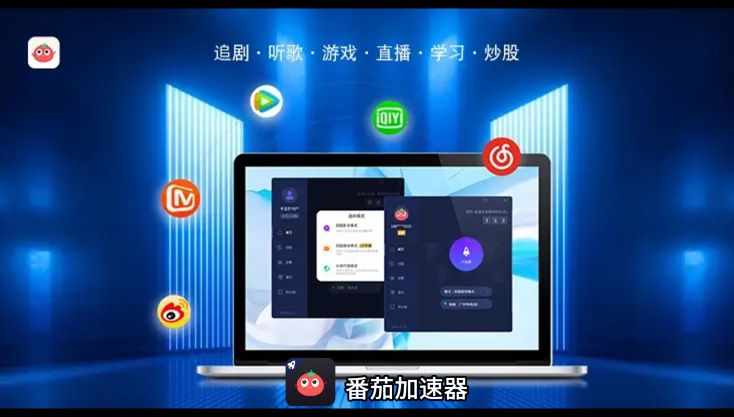
After trying all these options, I switched to Tomato Accelerator and haven’t looked back. Here’s why it stands out:
First, its global node distribution. With servers in over 30 countries (including multiple nodes in Beijing, Shanghai, Guangzhou), the smart recommendation feature picks the best line for you automatically—no more manual testing. I once connected to a Guangzhou node in 2 seconds, and the speed was consistent all day.
Multi-platform support is a game-changer. It works on Android, iOS, Windows, and macOS. I use it on my laptop, phone, and tablet at the same time—great for my family back home who also need access to domestic apps. One account covers up to 5 devices, which saves money.
Stable unlimited traffic is another win. No more data caps! I can binge dramas all night or play games for hours without worrying. The smart分流 feature ensures only domestic traffic goes through the accelerator—so my regular internet (like browsing Google) isn’t affected. Plus, dedicated lines for影音 and games: streaming 4K videos on Tencent Video is smooth, and my ping in Genshin Impact stays below 40ms with the 100M独享 bandwidth.
Data security is top priority. Tomato uses AES-256 encryption and专线传输—so I don’t worry about my personal data being leaked. I once used a VPN that exposed my IP address, but Tomato has never had that issue.
After-sales support is 24/7. Once I had a connection problem at 3 AM (my time), and the team fixed it in 15 minutes via live chat. They’re professional and responsive—something I haven’t seen with other tools.
How to Get Started with Tomato Accelerator
Using Tomato is easy. Go to their official website and download the app for your device. Install it, sign up for an account, and log in. The app will automatically recommend the best node—just click “connect” and you’re ready to access domestic apps like iQIYI, WeChat, or Genshin Impact. It takes less than 5 minutes to set up.
Final Thoughts

If you’ve been struggling with “电脑免费vpn回国” options that don’t work, Tomato Accelerator is the solution you need. It’s fast, stable, secure, and supports all your devices. Whether you’re a留学生 wanting to watch your favorite dramas, an overseas worker needing to access work tools, or a海外华人 staying connected to family, Tomato makes it feel like you’re back home. Stop wasting time on unreliable VPNs—give Tomato a try and enjoy seamless access to domestic resources.